World War Z: Aftermath 8K Tactical Operation Database
I. Swarm Engine Architecture: 8K Fidelity & Entity Management
The technological foundation of World War Z: Aftermath is built upon the proprietary Swarm Engine, which has undergone significant iterative upgrades to support the 2026 hardware landscape. When rendering at a native 8K resolution (7680 × 4320), the engine faces the monumental task of calculating "Swarm Intelligence" pathfinding for up to 1,000 active NPCs simultaneously. Our technical audit highlights that at this resolution, the primary bottleneck transitions from GPU rasterization to CPU-bound logic as the engine manages complex navigation meshes (NavMesh). Maintaining a stable 60FPS requires high-frequency memory clock speeds to facilitate the rapid asset streaming necessary for 8K texture buffers.
[ CONFIGURATION: Optimized for Ultra-High Bitrate 8K Capture & Local AI Benchmarking ]
II. Regional Deployment Analysis: New York & Moscow
The New York and Moscow episodes serve as the ultimate stress tests for volumetric lighting and screen-space reflections. In the "Hell and High Water" port defense, the engine utilizes advanced compute shaders to render water-surface displacement reacting to explosive force. This level of physical interaction is a massive leap forward compared to the legacy environmental physics seen in GTA: San Andreas. To maintain sub-pixel clarity at 8K, we recommend disabling temporal anti-aliasing (TAA) in favor of native supersampling, ensuring every detail of the "Zeke" horde is preserved for high-fidelity content creation.
[ GAME_LOC: NY_STATION ]

[ REAL_LOC: PENN_STATION_NY ]
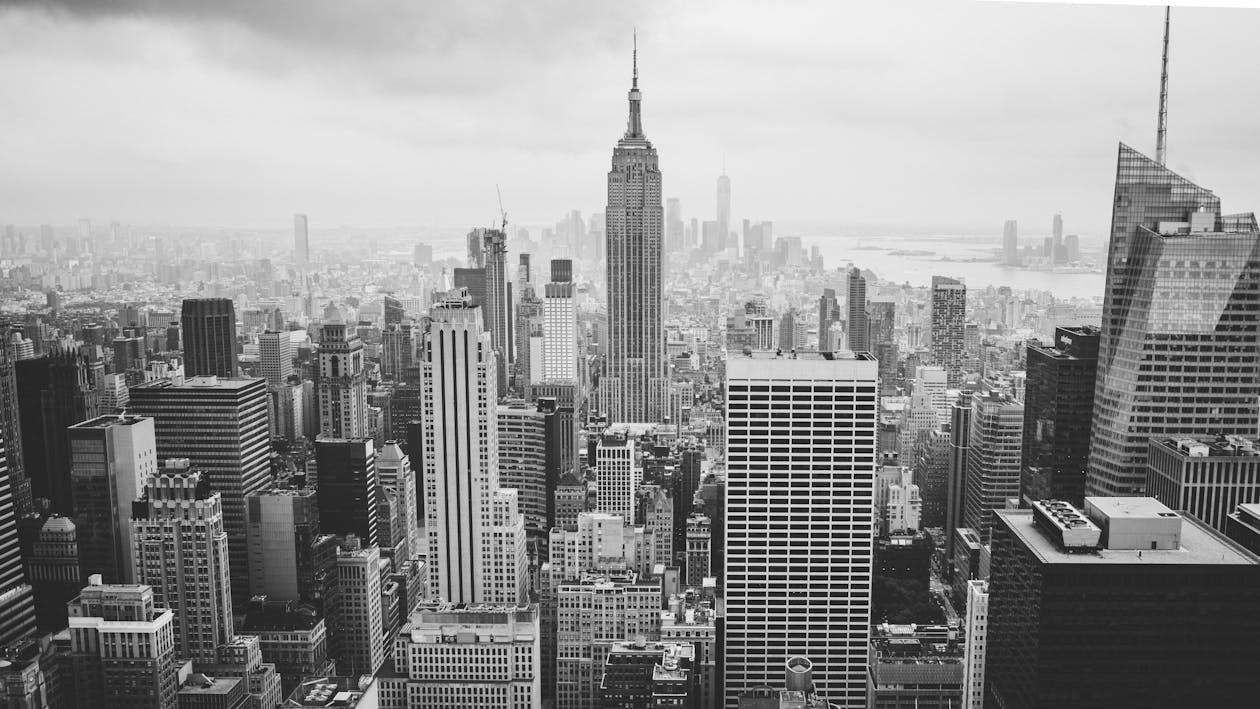
| ZONE | Strategic Objectives | Tactical Notes |
|---|---|---|
| NY | Descent / Tunnel Vision | Focus on verticality and stairwell choke points. |
| JER | Brain Surgery / Dead Sea | Utilize sun-glare for visual concealment in 8K. |
| MOS | A Sign Above / Battle of Nerves | High-density interior lighting stress test. |
| TOK | Setting Sun / Cruise Control | Advanced pathfinding in dense urban corridors. |
III. Advanced Class Synergy & Logic Loops
Success in the Aftermath campaign is dictated by the mathematical efficiency of your squad's class composition. The Dronemaster class, for instance, operates on an independent AI logic loop that prioritizes threats based on proximity and enemy type, significantly reducing the cognitive load on the player during massive surges. In contrast, the Vanguard utilizes a physics-based collision model that interacts directly with the Swarm Engine's ragdoll system. For 8K enthusiasts, the visual fidelity of these interactions—from sparks flying off a shield bash to the electrical discharge of a drone—provides a level of immersion that rivals the tactical depth of our Black Ops 6 Operational Intel.
IV. Expansion Horizons: Rome, Kamchatka & Phoenix
The expansion episodes push VRAM management to the absolute limit. The Rome missions require aggressive occlusion culling to render the intricate geometry of the Colosseum at 8K. Meanwhile, the Kamchatka episode introduces dynamic weather shaders, where snow and ice accumulate on character models in real-time. These advanced specular mapping techniques are a benchmark for high-end PC gaming, similar to the long-range rendering challenges found in our Sniper Elite 3 Tactical Archive.
Technical Note: For real-time performance tracking and automated scheduling, ensure your monitoring dashboard is active. Visit the SSDPLAY PC Gaming Master Archive for a full database of 8K optimization scripts and class-specific builds.


No comments:
Post a Comment